
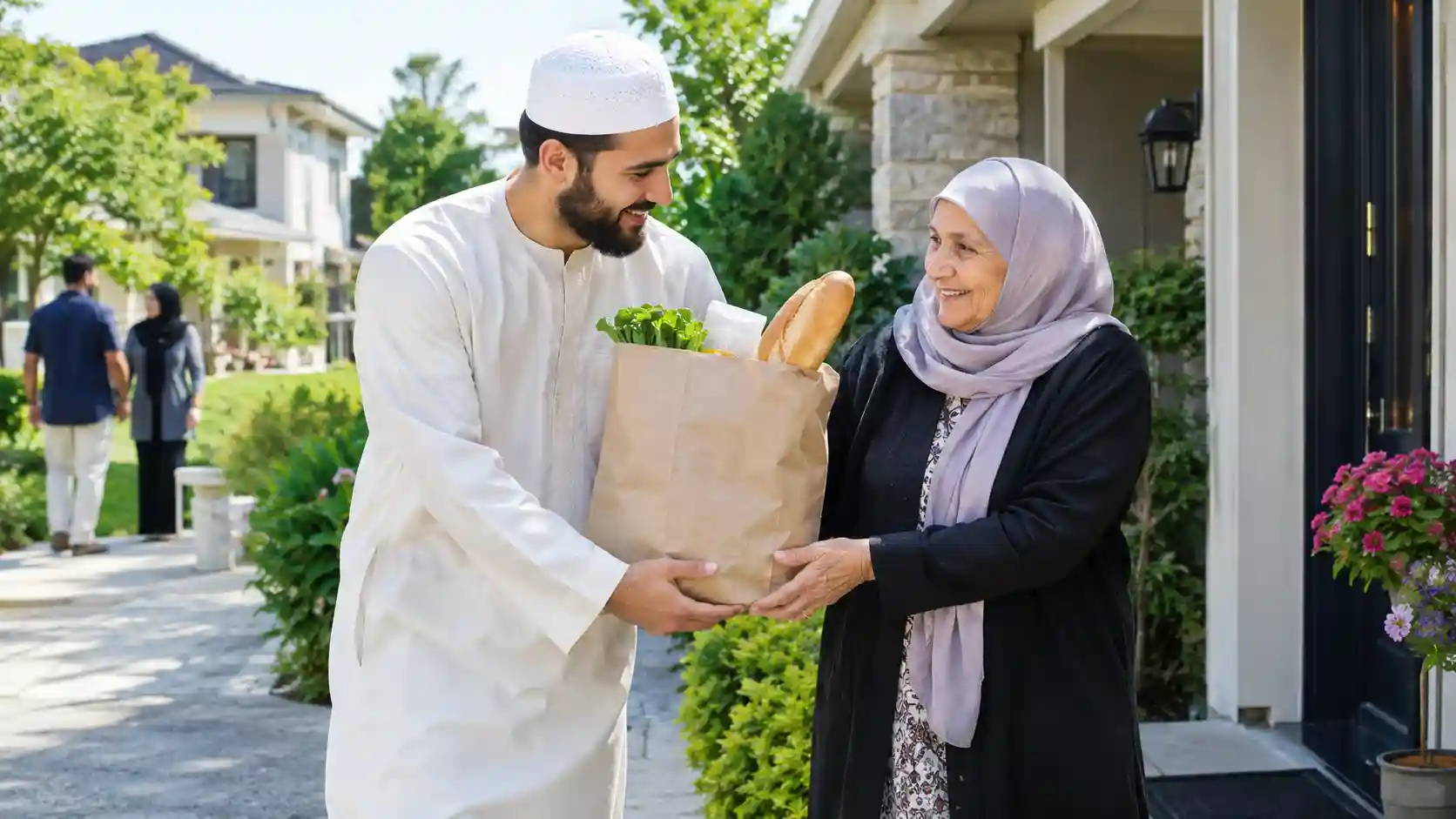
Good character in Islam is an important part of a Muslim’s daily life. It influences how a person speaks, treats family members, deals with neighbors, handles responsibilities, and responds to difficult situations. Islam teaches that a person’s character should reflect honesty, kindness, patience, humility, justice, and respect for others.
The Arabic word Akhlaq refers to character, manners, and moral qualities. Islamic teachings about good character go beyond being polite in public. They also involve keeping promises, avoiding harmful speech, fulfilling responsibilities, and treating people fairly when nobody is watching.
The Qur’an and the teachings of Prophet Muhammad ﷺ provide guidance for developing these qualities. Whether you are learning about Islam for the first time, raising children, or trying to improve your own behavior, understanding good character can help you put Islamic values into practice.
This guide explains the meaning of Akhlaq, the importance of good character in Islam, examples from the Qur’an and authentic Hadith, and practical steps for developing better manners in everyday life.
What Does Good Character Mean in Islam?
Good character in Islam means developing good moral qualities and treating Allah’s creation with honesty, kindness, fairness, and responsibility.
The Arabic term Akhlaq is commonly used for a person’s character and manners. It includes both outward behavior and the qualities that influence a person’s choices.
For example, a person with good character does not tell the truth only when it is convenient. They try to be truthful even when admitting a mistake may be uncomfortable.
Similarly, kindness is not limited to helping friends. It also includes speaking respectfully to someone who disagrees with you and avoiding unnecessary harm to others.
Islamic character includes several connected areas:
- Speech: Speaking truthfully, avoiding insults, and choosing words carefully.
- Actions: Helping others, fulfilling responsibilities, and acting fairly.
- Intentions: Trying to do what is right sincerely rather than only seeking praise.
- Relationships: Treating parents, spouses, children, neighbors, colleagues, and strangers appropriately.
- Self-control: Managing anger, resisting arrogance, and correcting harmful habits.
- Responsibility: Keeping promises, respecting others’ rights, and admitting mistakes.
Good character also includes worship and obedience to Allah. However, religious practice should not become an excuse to mistreat people. Islamic teachings connect devotion with ethical conduct and concern for others.
A person may know many religious facts, but knowledge should also encourage better behavior. Learning about honesty, for example, becomes meaningful when it leads someone to stop lying and fulfill their responsibilities.
Importance of Good Character in Islam
Good manners are important because they affect relationships, communities, and a person’s own moral development.
1. Good character is strongly emphasized in the Sunnah
Prophet Muhammad ﷺ emphasized the importance of moral excellence. In Sahih Muslim 2321a, he said that the best among people are those with the best character. The same narration describes him as someone who was not vulgar in speech or abusive toward others.
This teaches Muslims to take their behavior seriously. Good character is not merely a social preference; it is an important part of the Prophet’s teaching.
2. It builds trust
Honesty and trustworthiness help create strong relationships. When people know that you keep promises and tell the truth, they can rely on you.
At work, this might mean admitting an error rather than blaming a colleague. At home, it could mean keeping a commitment you made to your children.
3. It protects the rights of others
Islam teaches Muslims not to harm people through injustice, insults, dishonesty, or harmful speech.
The Prophet ﷺ instructed believers to avoid harming their neighbors and to speak good words or remain silent (Sahih al-Bukhari 6018).
Good character therefore includes recognizing that other people have rights and feelings that deserve consideration.
4. It improves family and community relationships
Patience, respect, and kindness can help families resolve disagreements more constructively. Good manners also encourage cooperation between neighbors and members of a community.
Kindness does not mean agreeing with everyone. It means communicating disagreement without unnecessary humiliation or cruelty.
5. It supports personal growth
Practicing honesty can make a person more accountable. Practicing patience can help prevent impulsive reactions. Learning humility can help someone accept correction.
These changes take time. Developing good character is an ongoing effort rather than a claim that a person has become perfect.
What Does the Quran Say About Good Character?
The Qur’an provides clear guidance on justice, kindness, respectful speech, and the treatment of other people.
Surah Al-Qalam 68:4 — The character of Prophet Muhammad ﷺ
Allah describes the Prophet ﷺ as possessing an excellent standard of character.
This verse highlights the exceptional moral example of the Messenger of Allah. Muslims can learn from his conduct by studying his authentic teachings and trying to follow his example in daily life.
Read Qur’an 68:4.
Surah An-Nahl 16:90 — Justice and good conduct
This verse teaches that Allah commands justice, excellence in conduct, and giving to relatives, while prohibiting immoral conduct, wrongdoing, and oppression.
Its message goes beyond politeness. Good character also requires fairness, responsibility, and avoiding injustice.
For example, an honest business owner should treat customers fairly, while a family member should avoid taking advantage of another person’s trust.
Read Qur’an 16:90.
Surah Al-Hujurat 49:11–12 — Avoid mockery and backbiting
These verses warn against ridiculing others, insulting people, using offensive nicknames, making certain harmful assumptions, spying, and backbiting.
The guidance is particularly relevant today, when people can criticize or embarrass others through social media posts, group chats, and online comments.
Before sharing something about another person, consider whether it is truthful, necessary, and respectful of their rights.
Read Qur’an 49:11–12.
Surah Al-Isra 17:53 — Speak in the best manner
Allah instructs His servants to speak in the best manner. The verse also warns that harmful speech can create conflict between people.
This guidance encourages Muslims to think before speaking. Even when correcting someone, it is possible to be clear without being insulting.
Read Qur’an 17:53.
Surah Fussilat 41:34 — Respond to evil with what is better
This verse teaches that good and evil are not equal and encourages responding to wrongdoing with what is better.
It describes how a better response may help transform hostility into friendship.
This does not mean that Muslims must accept abuse or abandon justice. It encourages choosing a constructive response when appropriate while maintaining proper boundaries.
Read Qur’an 41:34.
Good Character of Prophet Muhammad ﷺ
Prophet Muhammad ﷺ is the central example of good character for Muslims.
Allah describes his character in Qur’an 68:4. Authentic Hadith also highlight his respectful speech, kindness, and moral excellence.
In Sahih Muslim 2321a, the Prophet ﷺ is described as someone who was not vulgar or abusive in his speech. The narration also records his statement that the best people are those with the best character.
His teachings offer practical guidance for daily life.
Honesty and trustworthiness
A Muslim should strive to tell the truth, keep commitments, and protect things entrusted to them.
This applies to business dealings, family responsibilities, friendships, and professional life.
Kindness and gentleness
In Sahih Muslim 2594a, the Prophet ﷺ taught that gentleness beautifies what it is present in, while its absence makes things defective.
Gentleness does not mean weakness. It means responding thoughtfully rather than using unnecessary harshness.
Mercy and patience
The Prophet’s teachings encourage believers to respond to difficulties with patience and to treat others with compassion.
These qualities matter especially when dealing with family disagreements, mistakes, or people who have different opinions.
Humility and forgiveness
Good character requires resisting arrogance and being willing to acknowledge one’s mistakes.
Forgiveness can also be a virtuous response when appropriate. However, forgiveness does not require someone to ignore ongoing harm or give another person unlimited access to hurt them.
Muslims can study the Prophet’s character through reliable Hadith collections and the Qur’an, avoiding popular stories whose authenticity has not been established.
12 Examples of Good Character in Islam
Here are twelve qualities that Muslims can practice in everyday life.
1. Honesty and truthfulness
Honesty means telling the truth and avoiding deception.
Example: If you make a mistake at work, admit it rather than blaming another employee. If you sell something, describe its condition honestly.
2. Trustworthiness
Trustworthiness means protecting responsibilities, confidential information, and things entrusted to you.
Example: Return borrowed money or property as agreed. Do not misuse information someone shared with you privately.
3. Kindness and compassion
Kindness includes helping others and considering their needs.
Example: Help an elderly neighbor carry groceries, listen patiently to someone who is struggling, or offer practical assistance to a person in need.
Islamic manners also include showing respect when visiting others. Learn more about Islamic etiquette for visiting someone, including how to greet your hosts, respect their privacy, and follow proper visiting manners.
4. Patience during difficulties
Patience means responding thoughtfully during hardship rather than allowing frustration to control every action.
Example: When a family member disagrees with you, listen before responding. If a problem cannot be solved immediately, work through it calmly.
5. Humility
Humility means recognizing that you can make mistakes and have more to learn.
Example: Accept correction without humiliating the person who offered it. Do not make others feel inferior because of your education, income, or knowledge.
6. Forgiveness
Forgiveness means being willing to let go of resentment when appropriate.
Example: If someone makes a sincere apology for a minor mistake, consider accepting it rather than repeatedly bringing up the incident.
Forgiveness does not require tolerating abuse or giving up legitimate rights.
7. Respect for parents
Islam places great importance on kindness toward parents.
Example: Speak respectfully, help with reasonable needs, and listen patiently. If a difficult family situation involves abuse or serious harm, seek appropriate support while handling the situation responsibly.
8. Respectful treatment of spouses and children
Good character should be visible at home, not only in public.
Example: Listen when your spouse speaks, avoid humiliating family members during disagreements, and correct children without insults or unnecessary harshness.
9. Kindness to neighbors
The Prophet ﷺ emphasized avoiding harm to neighbors (Sahih al-Bukhari 6018).
Example: Keep noise at a reasonable level, respect shared spaces, and offer help when a neighbor faces a practical difficulty.
Islam encourages Muslims to treat their neighbors with kindness and consideration. Read our guide to learn more about the rights of neighbors in Islam and how to fulfill these responsibilities in daily life.
10. Keeping promises
Promises should be made thoughtfully and fulfilled whenever possible.
Example: If you promise to help a friend move or attend a family event, make a genuine effort to follow through. If circumstances change, explain the situation promptly.
11. Controlling anger
Anger is a human emotion, but it does not justify every reaction.
Example: When an online comment upsets you, wait before replying. During a disagreement, take a break if needed and return to the conversation when you can speak more calmly.
12. Avoiding backbiting and harmful speech
Good manners include avoiding gossip, mockery, insults, and unnecessary disclosure of another person’s private matters.
Example: Do not share an embarrassing story about a colleague merely to entertain a group chat. If a genuine concern must be raised, use an appropriate and responsible channel.
Together, these qualities show how good deeds and good manners in Islam can become part of ordinary life.
Bad Manners Muslims Should Avoid
Islamic teachings warn against behaviors that harm people or undermine trust.
Common examples include:
- Lying: Deliberately misleading others.
- Backbiting: Speaking about someone in their absence in a way they would dislike, as addressed in Islamic teachings.
- Mockery: Ridiculing someone because of appearance, background, mistakes, or personal circumstances.
- Arrogance: Treating others as inferior.
- Breaking promises: Making commitments carelessly or repeatedly failing to honor them without a valid explanation.
- Insulting people: Using abusive words to hurt or humiliate others.
- Unfair treatment: Taking advantage of another person’s trust, position, or vulnerability.
- Spreading private information: Sharing sensitive matters without a legitimate reason.
Qur’an 49:11–12 warns against mockery, insults, harmful suspicion, spying, and backbiting. Sahih al-Bukhari 33 also identifies lying, breaking promises, and betraying a trust as serious warning signs.
These teachings should encourage self-reflection rather than casual judgment of other people. A person who recognizes a harmful habit can work to correct it, seek forgiveness where appropriate, and repair the harm they have caused.
How to Develop Good Character According to Islam
Good character can improve through learning, self-awareness, practice, and sincere effort.
Step 1: Learn from the Qur’an and authentic Sunnah
Study verses about justice, patience, honesty, kindness, and respectful speech. Read reliable Hadith explanations and reflect on how the teachings apply to daily situations.
Step 2: Review your behavior every day
At the end of the day, ask yourself:
- Was I honest today?
- Did I speak harshly to anyone?
- Did I fulfill my responsibilities?
- Did I treat my family with kindness?
- Is there anything I should apologize for?
The purpose is to identify opportunities for improvement, not to become trapped in guilt.
Step 3: Think before speaking
Before making a comment, ask whether it is truthful, useful, and appropriately expressed.
If you cannot say something constructive, silence may be better than unnecessary criticism. This reflects the guidance in Sahih al-Bukhari 6018 to speak good words or remain silent.
Step 4: Practice patience when angry
Pause before reacting. Lower the intensity of your response, and avoid sending messages while extremely upset.
If the issue needs discussion, return to it when you can explain your concerns respectfully.
Step 5: Apologize and correct mistakes
If you hurt someone, acknowledge what happened. A sincere apology should not be used to avoid responsibility.
Where possible, repair the harm. If you damaged property, return what you owe, or spread false information, take appropriate steps to correct it.
Step 6: Treat your family kindly
Practice patience with the people you see every day. Small habits, such as listening without interrupting and sharing household responsibilities, can make a meaningful difference.
Step 7: Avoid gossip and harmful online arguments
Think before sharing posts, screenshots, rumors, or comments about other people. Online behavior is also part of your character.
Step 8: Keep promises and fulfill responsibilities
Make realistic commitments. If you cannot fulfill one, communicate honestly and promptly.
Step 9: Choose good company
Spend time with people who encourage honesty, kindness, responsibility, and learning. Try to become a positive influence on your friends as well.
Step 10: Make sincere dua
Ask Allah to help you develop good manners, control anger, speak truthfully, and treat others fairly. You can make this request in your own words without claiming that a particular formula guarantees a specific result.
A simple seven-day good-character practice plan
| Day | Practice | Daily Action |
|---|---|---|
| Day 1 | Honesty | Be truthful, including when admitting a mistake. |
| Day 2 | Kindness | Perform one helpful act without seeking praise. |
| Day 3 | Speech | Avoid insults, gossip, and unnecessary criticism. |
| Day 4 | Patience | Pause before reacting to something frustrating. |
| Day 5 | Responsibility | Fulfill a promise or address an unfinished obligation. |
| Day 6 | Family and neighbors | Show practical kindness to someone close to you. |
| Day 7 | Reflection | Review your behavior and choose one habit to continue improving. |
This plan is a practical exercise, not a religious guarantee. Repeat it or adapt it as needed.
How to Teach Good Character to Children
Children learn from what adults do as much as from what adults say.
Parents and caregivers can teach good manners through ordinary family activities.
Lead by example. If parents expect honesty, they should try to be honest themselves. If they want children to speak respectfully, they should model respectful speech.
Explain values simply. Teach children why telling the truth matters, why they should not mock others, and why promises should be taken seriously.
Use everyday situations. Encourage children to share appropriately, help with age-suitable tasks, apologize when they hurt someone, and treat classmates fairly.
Correct mistakes constructively. Explain which behavior needs to change instead of labeling a child as a bad person. Children need opportunities to learn and improve.
Teach through Islamic sources. Introduce age-appropriate Qur’an passages and reliable stories about the Prophet ﷺ, making sure that any story presented as historical is properly sourced.
Encourage responsibility. Give children manageable tasks and recognize their efforts to fulfill them.
Good character develops through repetition. Parents should be patient while maintaining appropriate boundaries and expectations.
Parents can help children develop honesty, patience, kindness, and respect through everyday examples. Explore these practical Muslim parenting tips to encourage good manners and Islamic values at home.
Good Character in Everyday Life in the West
For Muslims living in the USA, UK, Canada, or other diverse communities, Islamic ethics can be practiced in everyday interactions with people from many backgrounds.
At work and school
Be truthful about your work, respect other people’s contributions, avoid cheating, and take responsibility for mistakes.
With neighbors
Respect shared spaces, avoid unnecessary noise, keep your surroundings clean, and offer reasonable help when needed.
In public
Follow applicable laws, respect other people’s safety, and avoid damaging shared property. These are practical examples of responsibility and consideration for others.
In diverse communities
Treat people fairly regardless of their background or beliefs. Disagreement does not justify mockery, discrimination, or dishonesty.
Online
Avoid spreading unverified claims, humiliating others, or participating in harmful gossip. Communicate respectfully even when discussing difficult subjects.
These examples are applications of general Islamic ethical principles, not separate country-specific religious rulings. Good character should be consistent at home, at work, in public, and online.
Regular worship is an important part of a Muslim’s daily life. If you want to learn the prayer method, read our beginner-friendly guide on how to perform Salah step by step.
❤️ Enjoying Our Free Islamic Resources?
If this article has benefited you, please consider supporting OnlyIslamWay. Your contribution helps us continue providing free Islamic educational resources for Muslims worldwide.
❤️ Donate with PayPalFrequently Asked Questions
1. What is good character in Islam?
Good character in Islam means practicing qualities such as honesty, kindness, patience, humility, fairness, and trustworthiness. It includes both personal conduct and the way a person treats others.
2. Why is good character important in Islam?
Good character is strongly emphasized in the Qur’an and Sunnah. It supports justice, protects the rights of others, strengthens relationships, and reflects the ethical example of Prophet Muhammad ﷺ.
3. What does the Quran say about good manners?
The Qur’an teaches justice and good conduct in Surah An-Nahl 16:90, discourages mockery and backbiting in Surah Al-Hujurat 49:11–12, and encourages speaking in the best manner in Surah Al-Isra 17:53.
4. What are five examples of good character in Islam?
Five examples are honesty, trustworthiness, kindness, patience, and humility. Other important qualities include forgiveness, fulfilling promises, and avoiding harmful speech.
5. How did Prophet Muhammad ﷺ demonstrate good character?
The Qur’an describes his character as excellent in 68:4. Sahih Muslim 2321a also records the Prophet’s emphasis on good morals and describes him as neither vulgar nor abusive in speech.
6. How can Muslims improve their character?
Muslims can study the Qur’an and authentic Sunnah, review their behavior, practice patience, speak carefully, fulfill promises, apologize for mistakes, and ask Allah for help in developing better manners.
7. What is the meaning of Akhlaq?
Akhlaq is an Arabic term commonly used for character, manners, and moral qualities. In Islamic learning, it refers to qualities that influence how people behave and treat others.
8. How can parents teach good manners to children?
Parents can model respectful behavior, explain Islamic values in simple language, encourage honesty and kindness, set suitable boundaries, and help children learn from mistakes without unnecessary humiliation.
Conclusion
Good character in Islam is not limited to polite words or public behavior. It involves honesty when telling the truth is difficult, patience during disagreements, kindness toward family, fairness in business, and respect for the rights of others.
The Qur’an encourages justice, good conduct, and respectful speech. The authentic Sunnah of Prophet Muhammad ﷺ reinforces the importance of good manners, gentleness, and avoiding harm.
You do not need to change every habit in one day. Begin with one practical action: speak more carefully, keep a promise, admit a mistake, or treat someone with greater patience.
Continue learning from reliable Islamic sources and reviewing your behavior with sincerity. Good character develops through consistent effort, sincere intention, and putting Islamic teachings into practice. May Allah help us improve our manners, fulfill the rights of others, and follow the example of Prophet Muhammad ﷺ.