
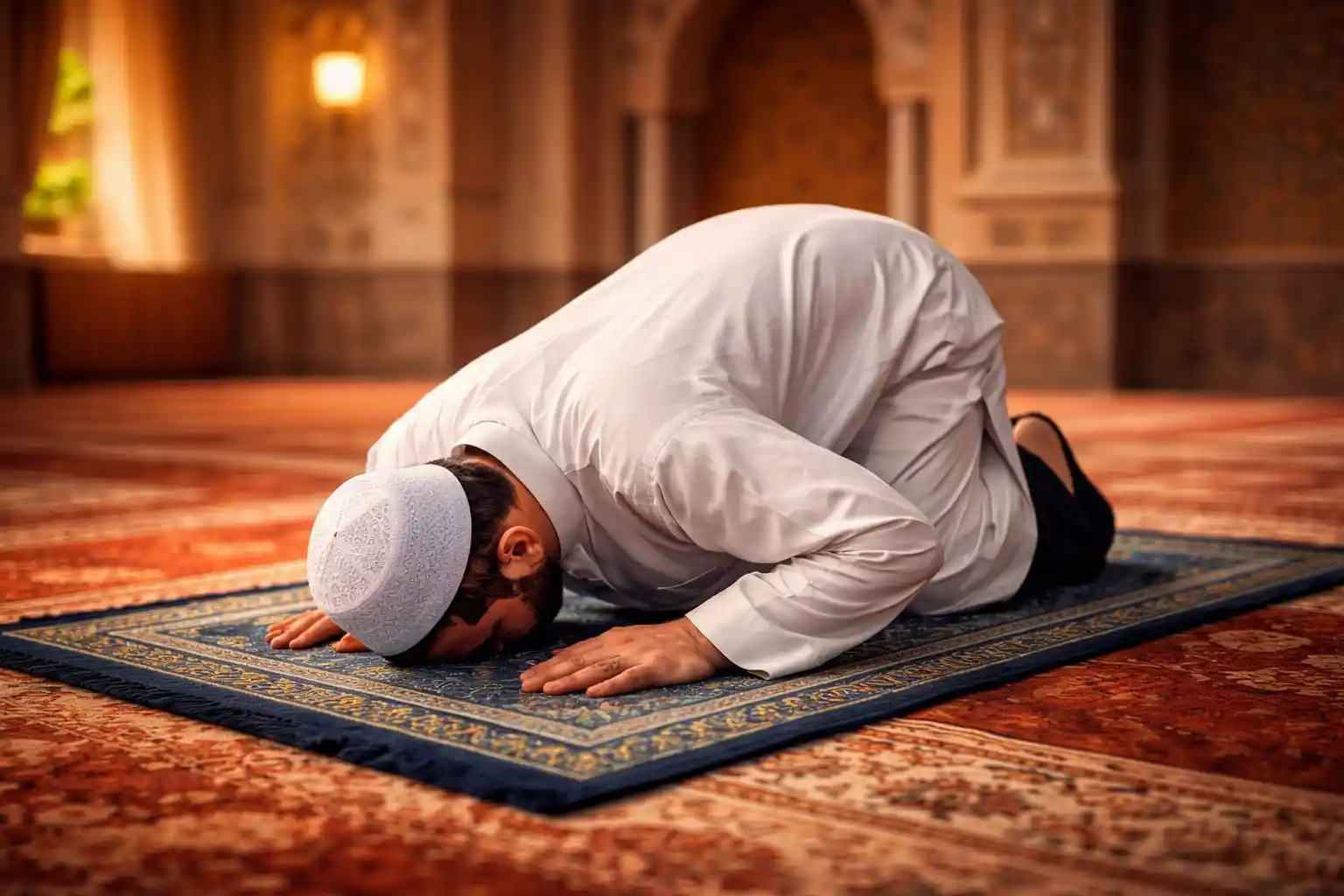
Prayer is one of the most important parts of Islam. Every Muslim is required to pray five times a day. These daily prayers help Muslims stay connected to Allah, build discipline, and find peace in daily life.
For beginners, one common question is: How many rakats are in each prayer? This is why understanding the 5 Time Namaz Rakat Chart For Sunni is very important.
Many new Muslims, children, and even adults sometimes get confused about the number of rakats in Fajr, Dhuhr, Asr, Maghrib, and Isha prayers. Learning the correct order of Sunnah, Fard, Nafl, and Witr prayers can make daily salah easier and more organized.
In this beginner-friendly Sunni namaz guide, you will learn:
- Complete namaz rakat chart
- How many rakats in each prayer
- Difference between Fard, Sunnah, Nafl, and Witr
- Easy tips to remember rakats
- Common mistakes beginners make
- PDF download section
✔ Easy to read | ✔ Printable | ✔ Step-by-step guide
What is a Namaz Rakat?
A rakat is a unit of Islamic prayer (Salah). Each rakat includes specific actions and recitations such as:
- Standing (Qiyam)
- Bowing (Ruku)
- Prostration (Sujood)
- Sitting (Tashahhud)
Every prayer has a fixed number of rakats. Some rakats are compulsory, while others are optional but highly rewarding.
Understanding prayer rakats in Islam helps Muslims perform salah correctly and confidently.
Want to improve your prayer? Read our complete guide on Step-by-Step Namaz Guide .
5 Time Namaz Rakat Chart For Sunni
Here is the complete namaz rakat chart for Sunni Muslims.
| Prayer | Sunnah | Fard | Sunnah After | Nafl | Witr | Total Rakats |
|---|---|---|---|---|---|---|
| Fajr | 2 Sunnah Muakkadah | 2 Fard | — | — | — | 4 |
| Dhuhr | 4 Sunnah | 4 Fard | 2 Sunnah | 2 Nafl | — | 12 |
| Asr | 4 Sunnah (Ghair Muakkadah) | 4 Fard | — | — | — | 8 |
| Maghrib | — | 3 Fard | 2 Sunnah | 2 Nafl | — | 7 |
| Isha | 4 Sunnah | 4 Fard | 2 Sunnah | 2 Nafl | 3 Witr | 15 |
Quick Summary of 5 Daily Prayers in Islam
- Fajr – Before sunrise
- Dhuhr – Afternoon prayer
- Asr – Late afternoon prayer
- Maghrib – Just after sunset
- Isha – Night prayer
These five daily prayers in Islam are obligatory for every adult Muslim.
💧 Learn Wudu Step by Step
Want to learn the correct way to perform Wudu before Salah? Follow our complete beginner-friendly guide with easy steps, pictures, duas, and important Sunnah tips.
Read Complete Wudu GuideFajr Prayer Rakats Explained
Fajr is the first prayer of the day and is prayed before sunrise.
Rakats in Fajr
- 2 Sunnah
- 2 Fard
Why Fajr Is Special
The Sunnah rakats of Fajr are highly important. The Prophet Prophet Muhammad emphasized them greatly.
Fajr prayer helps Muslims start the day with peace and blessings. It also improves discipline because it requires waking up early.
Beginner Tip
Always pray the 2 Sunnah first, then the 2 Fard.
Dhuhr Prayer Rakats Explained
Dhuhr is the afternoon prayer offered after the sun passes its highest point.
Rakats in Dhuhr
- 4 Sunnah
- 4 Fard
- 2 Sunnah
- 2 Nafl
Importance of Dhuhr
Dhuhr prayer gives Muslims a spiritual break during work, school, or daily activities. It reminds believers to pause and remember Allah.
Easy Way to Remember
Think of Dhuhr as:
4 + 4 + 2 + 2
This is one of the longest daily prayers in terms of rakats.
Asr Prayer Rakats Explained
Asr is prayed in the late afternoon.
Rakats in Asr
- 4 Sunnah (optional but rewarding)
- 4 Fard
Importance of Asr
Asr prayer is very important in Islam. Missing Asr intentionally is considered a serious matter.
Beginner Reminder
The 4 Sunnah before Asr are not compulsory, but praying them brings reward.
For learn Surah Fatiha, use this Surah Fatiha PDF guide and memorize quickly.
Maghrib Prayer Rakats Explained
Maghrib begins immediately after sunset.
Rakats in Maghrib
- 3 Fard
- 2 Sunnah
- 2 Nafl
Why Maghrib Is Unique
Maghrib is the only obligatory prayer with 3 Fard rakats.
Simple Memory Tip
Remember Maghrib as:
3 + 2 + 2
It is usually a shorter prayer compared to Dhuhr and Isha.
Isha Prayer Rakats Explained
Isha is the final prayer of the day.
Rakats in Isha
- 4 Sunnah
- 4 Fard
- 2 Sunnah
- 2 Nafl
- 3 Witr
What Is Witr Prayer?
Witr is an odd-numbered prayer prayed after Isha. Sunni Muslims commonly pray 3 Witr rakats.
Importance of Isha
Isha prayer helps Muslims end the day with worship and gratitude.
Difference Between Fard, Sunnah & Nafl
Many beginners get confused about different types of rakats. Here is a simple explanation.
| Type | Meaning |
|---|---|
| Fard | Compulsory prayers that must be prayed |
| Sunnah | Practices of the Prophet Muhammad ﷺ |
| Nafl | Optional prayers for extra reward |
| Witr | Important odd-numbered night prayer after Isha |
Fard Prayer
Missing Fard prayers without a valid reason is sinful.
Sunnah Prayer
Sunnah prayers are highly recommended and bring great reward.
Nafl Prayer
Nafl prayers are voluntary and help increase closeness to Allah.
Why Are Rakats Important?
Knowing the correct salah rakat chart is important because it helps Muslims pray correctly and avoid confusion.
Spiritual Benefits
- Builds connection with Allah
- Increases focus and discipline
- Brings inner peace
- Strengthens faith
Practical Benefits
- Helps maintain a prayer routine
- Prevents mistakes during salah
- Makes learning easier for beginners
If you want to memorize darud sharif properly, get this darud sharif with translation pdf for better understanding.
Did You Know? 🤔
- Fajr prayer is witnessed by angels.
- Salah was made obligatory during the Night Journey (Isra and Miraj).
- Muslims pray facing the Kaaba.
- The word “Salah” appears many times in the Quran.
Common Mistakes Beginners Make
Learning namaz takes time. Here are some common mistakes beginners should avoid.
1. Confusing Rakats
Many people mix up Fard and Sunnah rakats. Using a namaz chart for beginners can help.
2. Missing Sunnah Prayers
Some beginners only pray Fard. Sunnah prayers are also important and highly rewarding.
3. Wrong Prayer Order
Always pray in the correct sequence:
- Sunnah first
- Then Fard
- Then Nafl/Witr if applicable
4. Rushing Through Salah
Prayer should be calm and focused.
Tips to Remember Rakats Easily
Here are simple tricks to memorize the 5 Time Namaz Rakat Chart For Sunni Muslims.
Use a Printed Chart
Keep a prayer chart near your prayer area.
Practice Daily
Daily repetition makes memorization easier.
Learn One Prayer at a Time
Start with Fajr and slowly learn the rest.
Use Mnemonics
Example:
- Fajr = 2 + 2
- Maghrib = 3 + 2 + 2
Learn With Audio
Listening to prayer tutorials helps improve memory.
📥 Download Namaz Rakat Chart PDF
Download Namaz Rakat Chart PDF
Save the complete Sunni namaz rakat chart for daily use.
Download PDFFAQs
How many rakats are in Fajr?
Fajr has:
- 2 Sunnah
- 2 Fard
Total = 4 rakats.
Is Sunnah compulsory?
Sunnah prayers are not compulsory like Fard, but they are highly recommended and very rewarding.
What is Witr prayer?
Witr is an odd-numbered prayer prayed after Isha. Sunni Muslims commonly pray 3 Witr rakats.
Can beginners pray slowly?
Yes. Beginners should pray slowly and focus on learning correctly.
Which prayer has the most rakats?
Isha prayer usually has the highest total number of rakats when Sunnah, Nafl, and Witr are included.
Conclusion
Learning the 5 Time Namaz Rakat Chart For Sunni Muslims is an important step for every believer. Understanding the correct number of rakats helps Muslims pray with confidence and avoid mistakes.
Whether you are a beginner, a child learning salah, or someone refreshing your knowledge, keeping a simple namaz rakat chart can make daily prayer easier.
Remember:
- Pray consistently
- Learn slowly
- Focus on sincerity and understanding
Do not forget to bookmark or download the prayer chart PDF for daily use.
8 thoughts on “5 Time Namaz Rakat Chart For Sunni Muslims”