
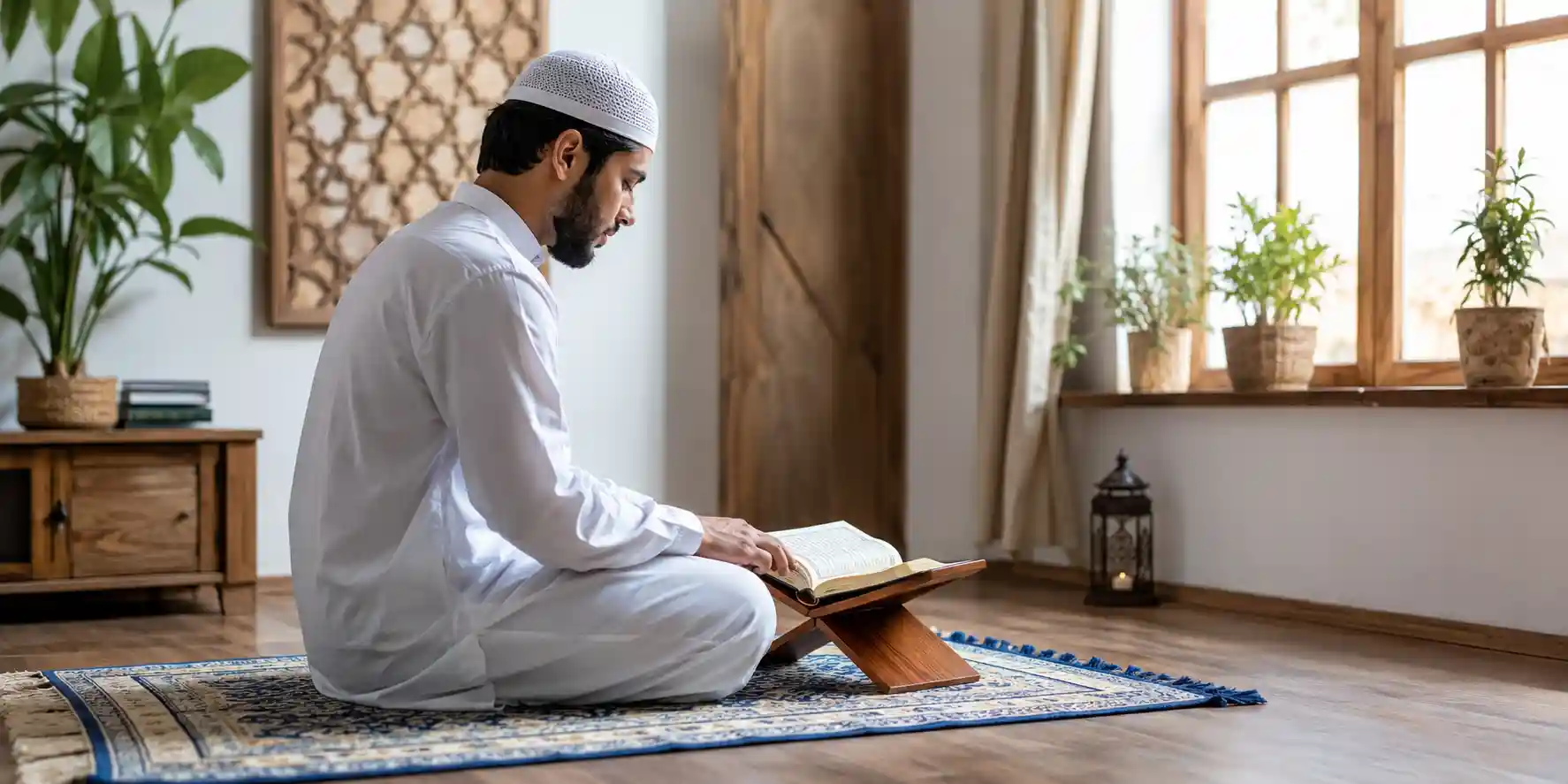
Living an organized Islamic lifestyle can bring peace, discipline, and balance into everyday life. A strong muslim daily routine guide helps Muslims stay connected with Allah while managing work, studies, family, and personal goals.
In today’s busy world, many people struggle to balance dunya (worldly life) and deen (faith). Social media, stress, and unhealthy habits often distract us from worship and productivity. That is why following an islamic daily routine is so important.
Whether you are a beginner Muslim, a student, a working professional, or someone trying to improve your faith, building small daily Islamic habits can completely transform your life.
This guide will help you create a simple, practical, and productive Muslim lifestyle routine that you can follow every day.
✔ Easy to read | ✔ Printable | ✔ Step-by-step guide
What is a Muslim Daily Routine?
A daily routine of a muslim is a schedule based on Islamic teachings and healthy habits. It includes prayer, Quran reading, work, family responsibilities, and self-care.
Islam encourages Muslims to live with discipline, cleanliness, kindness, and purpose. A proper routine helps Muslims:
- Stay connected to Allah
- Manage time wisely
- Avoid laziness
- Improve mental peace
- Build strong habits
The Prophet Muhammad ﷺ followed a balanced lifestyle that included worship, rest, work, family time, and helping others. Muslims around the world try to follow this example in their daily lives.
An effective muslim lifestyle routine is not about being perfect. It is about consistency and making steady improvements every day.
Want to improve your prayer? Read our complete guide on Step-by-Step Namaz Guide .
Ideal Muslim Morning Routine
Wake Up for Fajr Prayer
The best muslim morning routine starts before sunrise with Fajr prayer.
Waking up early gives spiritual peace and increases productivity throughout the day. After waking up:
- Thank Allah for a new day
- Make wudu
- Pray Fajr on time
- Avoid checking social media immediately
Starting the day with worship creates positivity and focus.
Read Morning Duas
Morning duas protect the heart and mind. Spend a few minutes remembering Allah after Fajr.
Simple dhikr includes:
- SubhanAllah
- Alhamdulillah
- Allahu Akbar
- Astaghfirullah
These small acts bring blessings into daily life.
Read Quran Daily
Even reading one page daily can make a huge difference.
Quran reading:
- Improves spiritual connection
- Brings inner peace
- Builds consistency
- Helps beginners learn Islam slowly
Try reading Quran with translation if Arabic is difficult.
Healthy Morning Habits
Islam encourages cleanliness and good health. Add healthy habits to your morning routine:
- Drink water
- Eat a healthy breakfast
- Exercise or walk
- Plan your day
- Keep your room clean
A productive morning often leads to a productive day.
If you are learning daily duas, you should also check Download Ayatul Kursi PDF to strengthen your protection and faith.
Productive Muslim Day Routine
Pray Salah on Time
The five daily prayers are the foundation of every productive muslim routine.
The prayers include:
- Fajr
- Dhuhr
- Asr
- Maghrib
- Isha
Organizing your day around salah improves discipline and time management.
Balance Work and Worship
Islam teaches balance. Muslims should work hard while also remembering Allah.
During work or study:
- Take short breaks for dhikr
- Avoid wasting time online
- Be honest and respectful
- Help coworkers and classmates
- Stay grateful
Success in Islam includes both dunya and akhirah.
Practice Dhikr During the Day
You do not need hours for worship. Small moments matter too.
Examples:
- Say Bismillah before tasks
- Say Alhamdulillah after meals
- Make dua during breaks
- Listen to Islamic reminders
These simple daily islamic habits keep the heart connected to Allah.
Daily Routine Checklist
Here is a simple Islamic checklist you can follow every day:
Morning
- Wake up for Fajr
- Read morning duas
- Read Quran
- Eat healthy breakfast
Afternoon
- Pray Dhuhr and Asr
- Focus on work/studies
- Help someone
- Avoid wasting time
Evening
- Pray Maghrib and Isha
- Spend time with family
- Learn something Islamic
Before Sleep
- Make wudu
- Read sleeping duas
- Reflect on your day
- Sleep early
Small consistent actions create long-term change.
To improve your Namaz, download this short surahs with English translation pdf and practice daily.
Evening Routine for Muslims
Pray Maghrib and Isha
The evening is a good time to slow down and reconnect spiritually.
After Maghrib:
- Pray calmly
- Spend time with family
- Avoid unnecessary distractions
Isha prayer helps end the day peacefully.
Family Time in Islam
Islam strongly values family relationships.
Good evening habits include:
- Eating together
- Talking respectfully
- Helping parents
- Teaching children Islamic values
Strong family bonds are part of a healthy muslim lifestyle routine.
Islamic Learning
Spend at least 10–20 minutes learning Islam daily.
You can:
- Read Islamic books
- Listen to lectures
- Study hadith
- Learn duas
Even small learning sessions can increase knowledge over time.
Before Sleeping Routine
Make Wudu Before Sleep
The Prophet ﷺ encouraged sleeping in a state of purity.
Making wudu before sleeping:
- Brings peace
- Improves mindfulness
- Helps end the day spiritually
💧 Learn Wudu Step by Step
Want to learn the correct way to perform Wudu before Salah? Follow our complete beginner-friendly guide with easy steps, pictures, duas, and important Sunnah tips.
Read Complete Wudu GuideRead Sleeping Duas
Some common practices before sleep:
- Recite Ayatul Kursi
- Read Surah Ikhlas, Falaq, and Nas
- Make personal dua
These habits provide spiritual comfort and protection.
Reflection and Gratitude
Before sleeping:
- Think about your actions
- Ask Allah for forgiveness
- Be grateful for blessings
- Plan improvements for tomorrow
Reflection helps build self-awareness and consistency.
Daily Islamic Habits to Follow
Read Quran Every Day
Consistency matters more than quantity.
Even 5–10 minutes daily can strengthen faith.
Give Charity
Charity does not always mean money.
You can:
- Feed someone
- Smile at others
- Help family members
- Support friends emotionally
Every good deed counts.
Practice Good Manners
Islam teaches kindness, honesty, and patience.
Good manners include:
- Speaking politely
- Respecting elders
- Avoiding gossip
- Controlling anger
Character is a major part of Islam.
Help Others
Helping others increases blessings and happiness.
Simple actions:
- Open doors
- Help coworkers
- Support neighbors
- Volunteer in the community
These small acts build a stronger society.
Did You Know?
Did You Know #1
The Prophet Muhammad ﷺ loved consistency in worship, even if the deeds were small.
Did You Know #2
Waking up early after Fajr is linked with increased productivity and mental clarity.
Did You Know #3
Smiling at others is considered charity in Islam.
Did You Know #4
Daily dhikr can reduce stress and increase inner peace.
Benefits of Following an Islamic Routine
Discipline
Following a structured routine teaches time management and responsibility.
Peace of Mind
Prayer and Quran help reduce stress and anxiety.
Many Muslims feel calmer after regular worship and dhikr.
Spiritual Growth
A consistent islamic routine for beginners helps strengthen faith step by step.
Better Productivity
A balanced schedule improves focus and reduces laziness.
People who organize their day around salah often manage time more effectively.
Common Mistakes to Avoid
Skipping Prayers
Missing salah regularly weakens spiritual consistency.
Try setting alarms and planning your day around prayer times.
Spending Too Much Time on Social Media
Excessive scrolling wastes time and affects mental focus.
Limit screen time and replace it with beneficial habits.
Trying Too Much at Once
Many beginners become overwhelmed.
Instead of changing everything overnight:
- Start slowly
- Build one habit at a time
- Stay patient
Consistency is more important than perfection.
Learn correct recitation from Quran.com
Pro Tips for Staying Consistent
Start Small
Begin with:
- One extra dua
- Five minutes of Quran
- One prayer on time
Small habits become strong routines over time.
Use Reminders
Set phone reminders for:
- Salah
- Quran reading
- Dhikr
- Islamic learning
Technology can support good habits when used wisely.
Follow a Schedule
Creating a simple timetable helps maintain balance.
Try writing your daily goals every morning.
Find Positive Company
Being around practicing Muslims increases motivation and accountability.
Good friends encourage good habits.
FAQs
What is the best daily routine for Muslims?
The best routine includes praying five times daily, reading Quran, making dhikr, working responsibly, helping others, and maintaining balance between deen and dunya.
How can I become more productive in Islam?
Pray on time, wake up early for Fajr, avoid wasting time, stay organized, and keep your intentions focused on pleasing Allah.
What should Muslims do before sleeping?
Muslims should make wudu, read sleeping duas, recite Ayatul Kursi, seek forgiveness, and sleep with gratitude.
How do beginners start an Islamic routine?
Beginners should start with small habits like praying regularly, reading short Quran passages, and learning daily duas.
Why is consistency important in Islam?
Consistency builds discipline, strengthens faith, and helps Muslims develop long-term positive habits.
Conclusion
Building a strong muslim daily routine guide does not require perfection. Islam teaches balance, consistency, and sincerity.
By following a simple daily routine of a muslim, you can improve your spirituality, productivity, mental peace, and overall lifestyle.
Start small:
- Pray on time
- Read Quran daily
- Practice gratitude
- Avoid distractions
- Help others
Over time, these small habits can create a beautiful and balanced Islamic life.
Remember, every step toward Allah matters.
Download Muslim Daily Routine Guide PDF
Get Muslim Daily Routine Guide for free.
Download PDF❤️ Enjoying Our Free Islamic Resources?
If this article has benefited you, please consider supporting OnlyIslamWay. Your contribution helps us continue providing free Islamic educational resources for Muslims worldwide.
❤️ Donate with PayPal