
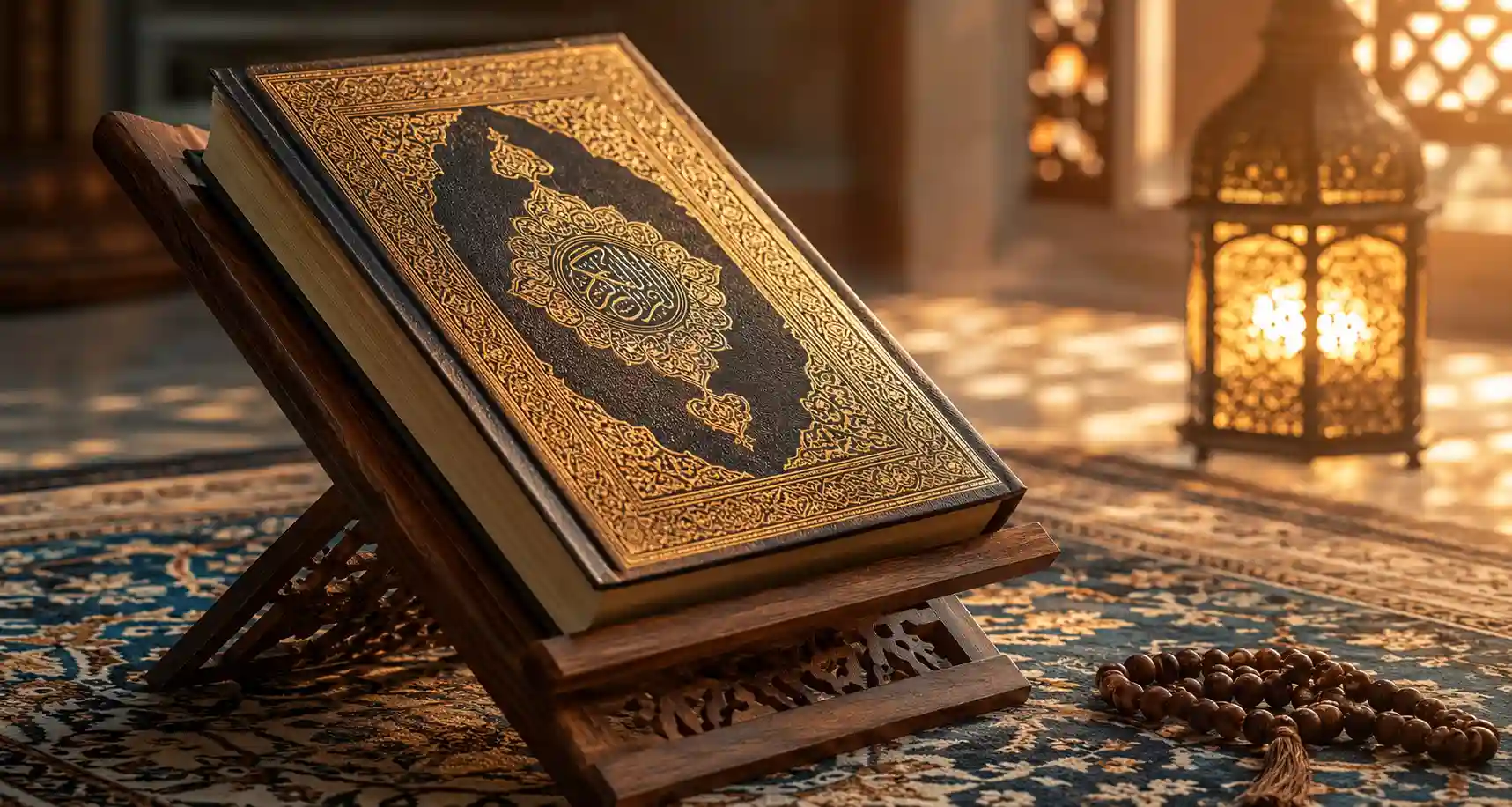
The Quran is the holy book of Islam, believed by Muslims to be the exact word of Allah (God) revealed to Prophet Muhammad ﷺ over more than 23 years. It was revealed in the Arabic language, and Muslims around the world recite it in its original Arabic text during prayer and worship.
However, millions of people today—including Muslims, new Muslims (reverts), students, and non-Muslims—want to understand the Quran’s message in English. This is where Quran translations become valuable. While no translation can fully capture every meaning, a well-prepared English translation helps readers understand the teachings, guidance, and wisdom of the Quran.
Choosing the best Quran translation in English can feel overwhelming because many respected translations are available. Some focus on simple modern English, while others stay very close to the Arabic wording. Some include detailed explanations, while others present only the translated text.
This guide compares the 10 best English Quran translations based on:
- Accuracy
- Readability
- Authenticity
- Ease of understanding
- Helpful footnotes
- Suitability for beginners
- Overall learning experience
Whether you are reading the Quran for the first time or looking for a better English translation, this guide will help you choose the one that best fits your needs.
Why Choosing a Good Quran Translation Matters
A good translation helps readers understand the message of the Quran without changing its intended meaning. Since the Quran contains guidance on faith, worship, ethics, family life, history, and spirituality, choosing a reliable translation is important.
A trustworthy translation can help you:
- Understand the meanings behind Quranic verses.
- Learn Islamic teachings more accurately.
- Avoid misunderstandings caused by unclear wording.
- Build a stronger connection with the Quran.
- Study alongside the original Arabic text.
For new Muslims and beginners, a clear translation can make learning Islam much easier and more enjoyable.
The Difference Between the Quran and Its Translation
This is one of the most important concepts every reader should understand.
The Quran itself is only the original Arabic revelation given to Prophet Muhammad ﷺ. Muslims believe that every word in Arabic is exactly as revealed by Allah.
An English translation is not the Quran itself. Instead, it is a scholar’s attempt to explain the meanings of the Arabic text in another language.
Because Arabic words often have rich layers of meaning, no translation can perfectly capture every nuance. This is why different translators may choose slightly different English words while aiming to convey the same message faithfully.
For this reason, scholars often encourage readers to compare translations and, when possible, consult brief explanations (tafsir) for deeper understanding.
🕌 Looking for a comfortable prayer mat? Discover our top recommendations for daily Salah.
🛍️ Best Prayer Mat for Daily Salah →Who Should Read an English Translation?
English Quran translations are helpful for many readers, including:
Muslims
Many Muslims who do not speak Arabic use English translations to better understand the verses they recite during prayer and daily worship.
New Muslims (Reverts)
A beginner-friendly translation makes it easier to learn the foundations of Islam and understand the Quran’s teachings step by step.
Non-Muslims
People interested in learning about Islam can gain a direct understanding of the Quran instead of relying on secondhand information.
Students and Researchers
Islamic studies students often compare multiple translations to appreciate different translation styles and scholarly approaches.
What Makes a Good Quran Translation?
Not all translations are written for the same purpose. Some prioritize literal accuracy, while others focus on readability.
Here are the key qualities to look for:
1. Accuracy
Accuracy should always come first. A reliable translation stays as close as possible to the intended meanings of the Arabic text while using clear English.
Translations prepared by qualified scholars with knowledge of classical Arabic and Quranic sciences are generally the most dependable.
2. Clear and Natural Language
Many older translations use Shakespeare-style English with words such as “thee,” “thou,” and “hast.”
While beautiful, these expressions can be difficult for modern readers.
Today’s beginners often benefit from translations written in contemporary English that remain faithful to the original meaning.
3. Helpful Footnotes
Certain Quranic verses refer to historical events, prophetic stories, or legal principles that may require additional context.
Good footnotes can explain:
- Historical background
- Important Arabic terms
- Differences in scholarly interpretation
- Cross-references to other Quran verses
These notes should clarify the meaning without overwhelming the reader.
4. Authenticity
Choose translations published by respected scholars or reputable Islamic organizations known for careful scholarship.
A reliable translation should reflect mainstream Islamic understanding and avoid unnecessary personal interpretations within the translated text itself.
5. Suitable for Beginners
If you’re reading the Quran for the first time, look for a translation that:
- Uses modern English.
- Explains difficult concepts clearly.
- Includes concise notes where needed.
- Is easy to read from beginning to end.
A translation that’s too literal may preserve Arabic sentence structure but can feel difficult for new readers.
Top 10 Best Quran Translations in English
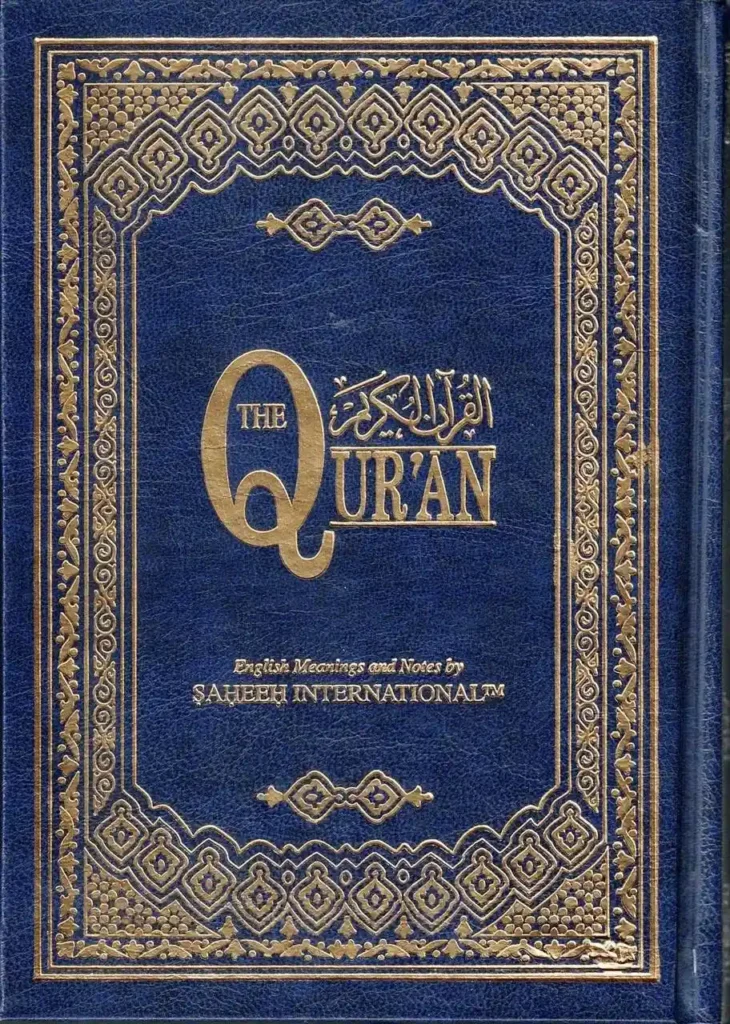
1. Saheeh International
Translator
Saheeh International (a team of three American Muslim women based in Saudi Arabia)
First Published
1997
Writing Style
Modern, simple, and direct English while remaining close to the Arabic wording.
Reading Difficulty
⭐⭐⭐⭐☆ (Easy)
Strengths
- Highly accurate translation.
- Uses contemporary English.
- Minimal archaic language.
- Widely respected by scholars.
- Excellent balance between readability and literal accuracy.
Limitations
- Contains relatively few explanatory footnotes.
- Some verses may still benefit from reading alongside a tafsir.
Best For
- Muslims
- New Muslims
- Students
- Daily Quran study
- General readers seeking an accurate translation
Overall Rating
⭐⭐⭐⭐⭐ 9.8/10
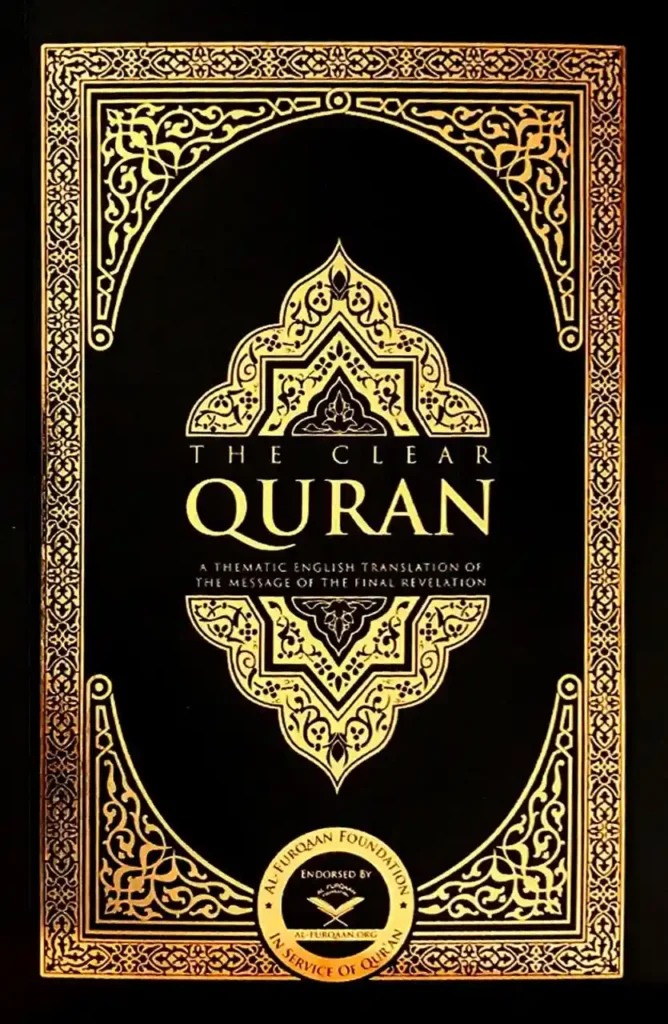
2. The Clear Quran
Translator
Dr. Mustafa Khattab
First Published
2015
Writing Style
Reading Difficulty
⭐⭐⭐⭐⭐ (Very Easy)
Strengths
- Extremely easy to understand.
- Natural sentence structure.
- Helpful introductions to chapters.
- Brief explanatory notes.
- Excellent for first-time readers.
Many readers appreciate how it conveys the meaning in fluent English while remaining faithful to the original text.
Limitations
- Some readers who prefer a more literal translation may choose to compare it with another version during deeper study.
Best For
- Beginners
- New Muslims (Reverts)
- Families
- Teenagers
- Non-Muslims interested in learning about Islam
Overall Rating
Smooth, modern, conversational English designed for today’s readers.
⭐⭐⭐⭐⭐ 9.9/10
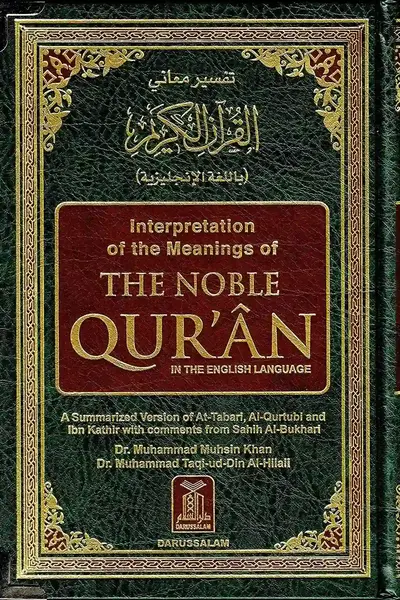
3. The Noble Quran
Translators
Dr. Muhammad Taqi-ud-Din al-Hilali & Dr. Muhammad Muhsin Khan
First Published
1977
Writing Style
Literal translation with extensive explanatory additions and footnotes.
Reading Difficulty
⭐⭐⭐☆☆ (Moderate)
Strengths
- Rich explanatory notes.
- Includes references to Hadith and classical tafsir.
- Helpful for detailed study.
- Widely distributed around the world.
Limitations
- The inserted explanatory phrases can interrupt the flow of reading.
- Less suitable for someone seeking a simple, uninterrupted translation.
Best For
- Intermediate readers
- Islamic students
- Readers who appreciate detailed explanations
Overall Rating
⭐⭐⭐⭐☆ 9.3/10
4. The Holy Qur’an (Abdullah Yusuf Ali)
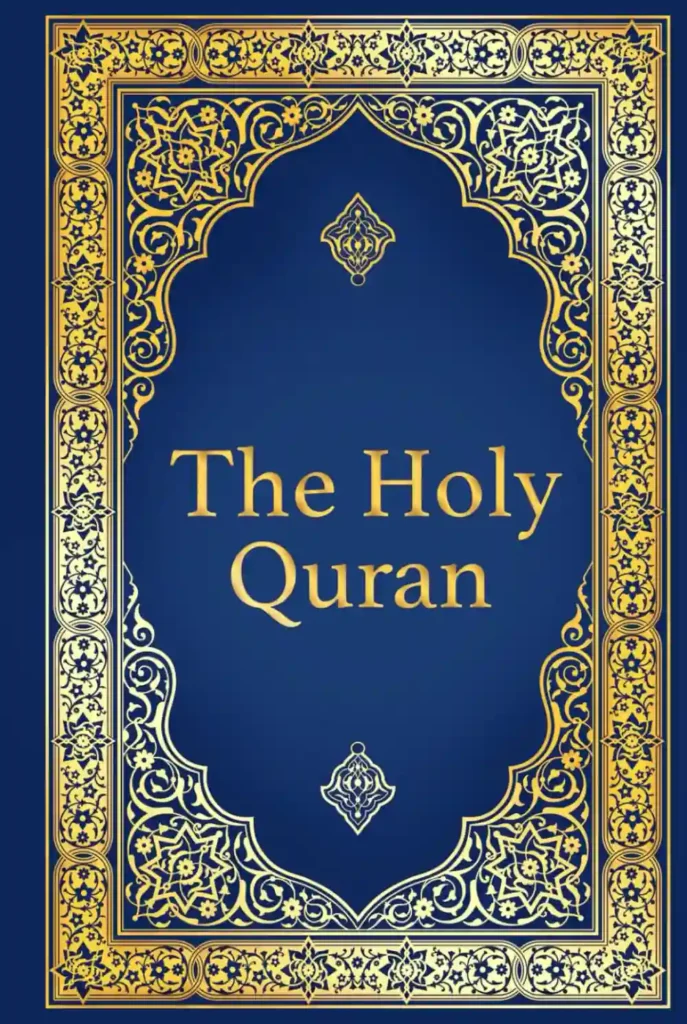
Translator
Abdullah Yusuf Ali
First Published
1934
Writing Style
Elegant, literary English with poetic expressions and extensive commentary.
Reading Difficulty
⭐⭐⭐☆☆ (Moderate)
Strengths
- Beautiful literary style.
- Rich historical footnotes.
- One of the most influential English translations.
- Valuable for readers interested in classical English prose.
Limitations
- Uses older English vocabulary that may feel challenging for modern readers.
- Some notes reflect the scholarship and language of their time.
Best For
- Readers who enjoy classical English.
- Students exploring historical translations.
- Comparative Quran study.
Overall Rating
⭐⭐⭐⭐☆ 9.1/10
5. The Qur’an (M. A. S. Abdel Haleem)
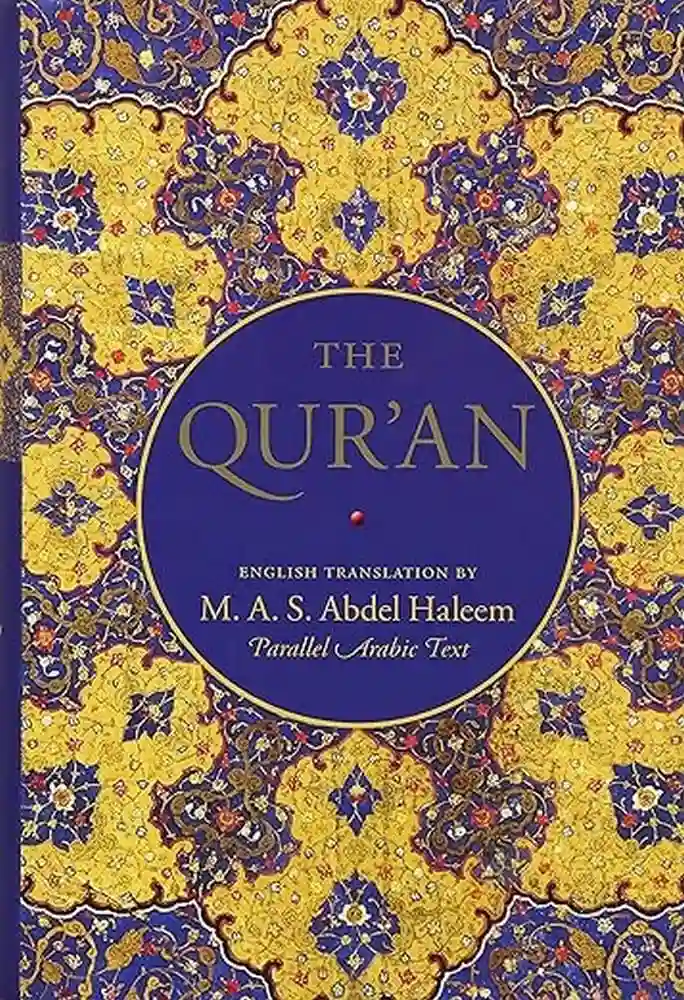
Translator
Professor M. A. S. Abdel Haleem
First Published
2004
Writing Style
Modern, flowing English that emphasizes readability while remaining faithful to the original meanings.
Reading Difficulty
⭐⭐⭐⭐⭐ (Very Easy)
Strengths
- Highly readable and natural.
- Clear sentence structure.
- Excellent introductions to each surah.
- Widely used in academic settings.
- Suitable for both personal reading and educational study.
Limitations
- Includes fewer explanatory footnotes than some study-oriented translations.
- Readers seeking detailed commentary may wish to pair it with a tafsir.
Best For
- University students
- General readers
- Non-Muslims
- Muslims seeking a smooth reading experience
Overall Rating
⭐⭐⭐⭐⭐ 9.7/10
6. The Meaning of the Glorious Koran (Marmaduke Pickthall)
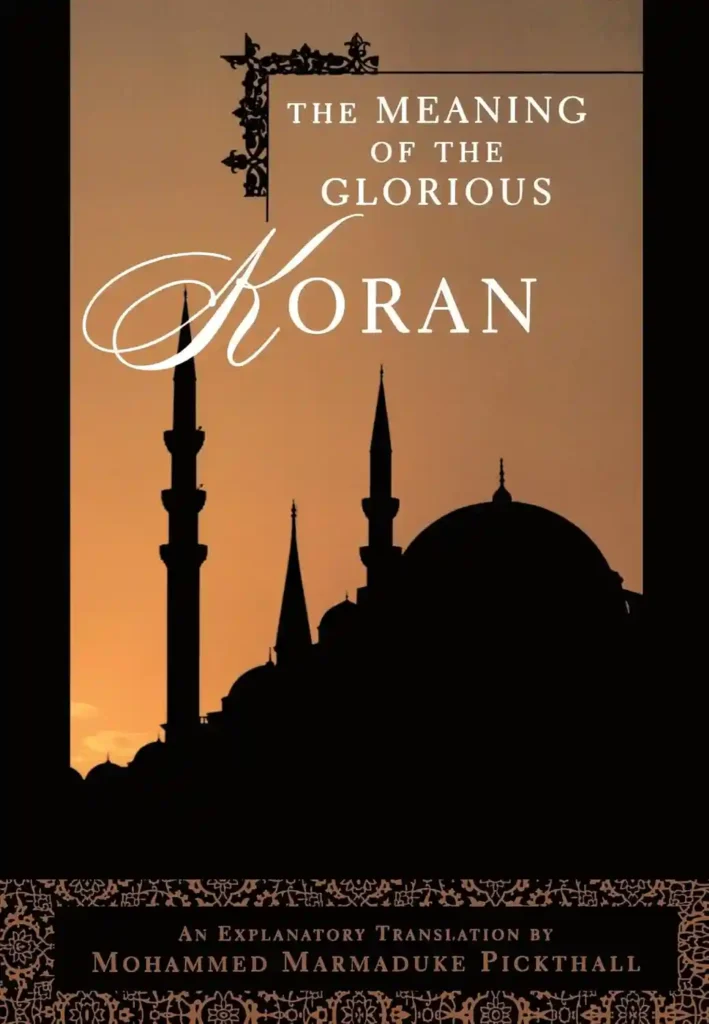
Translator
Marmaduke Pickthall (1875–1936), an English Muslim scholar and novelist.
First Published
1930
Writing Style
Literal and formal, using early 20th-century English with words such as “thee,” “thou,” and “thy.”
Reading Difficulty
⭐⭐⭐☆☆ (Moderate)
Strengths
- One of the earliest English translations by a Muslim.
- Closely follows the Arabic wording.
- Highly respected for its careful and faithful translation.
- Popular among readers who prefer a more literal approach.
Limitations
- Archaic English can be difficult for beginners.
- Does not include many explanatory notes.
Best For
- Students of Islamic studies
- Readers interested in classical translations
- Those comparing different English versions
Overall Rating
⭐⭐⭐⭐☆ 9.2/10
7. The Message of the Qur’an (Muhammad Asad)
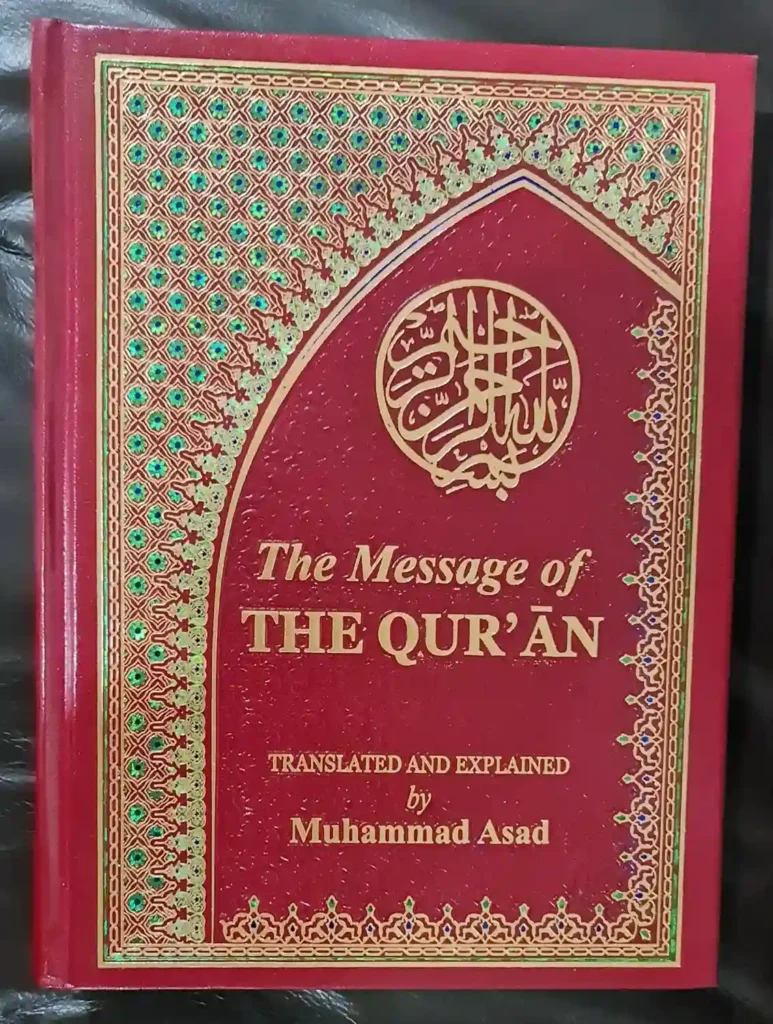
Translator
Muhammad Asad (Leopold Weiss), an Austrian-born Muslim scholar and writer.
First Published
1980
Writing Style
Thoughtful, explanatory, and reflective with detailed notes.
Reading Difficulty
⭐⭐⭐☆☆ (Moderate)
Strengths
- Extensive footnotes and commentary.
- Explains historical and linguistic context.
- Encourages deeper reflection on Quranic teachings.
- Well regarded in academic circles.
Limitations
- Commentary reflects the translator’s scholarly interpretations.
- Not the easiest choice for first-time readers.
Best For
- Advanced readers
- Researchers
- Students seeking detailed explanations
Overall Rating
⭐⭐⭐⭐☆ 9.0/10
8. The Koran Interpreted (Arthur J. Arberry)
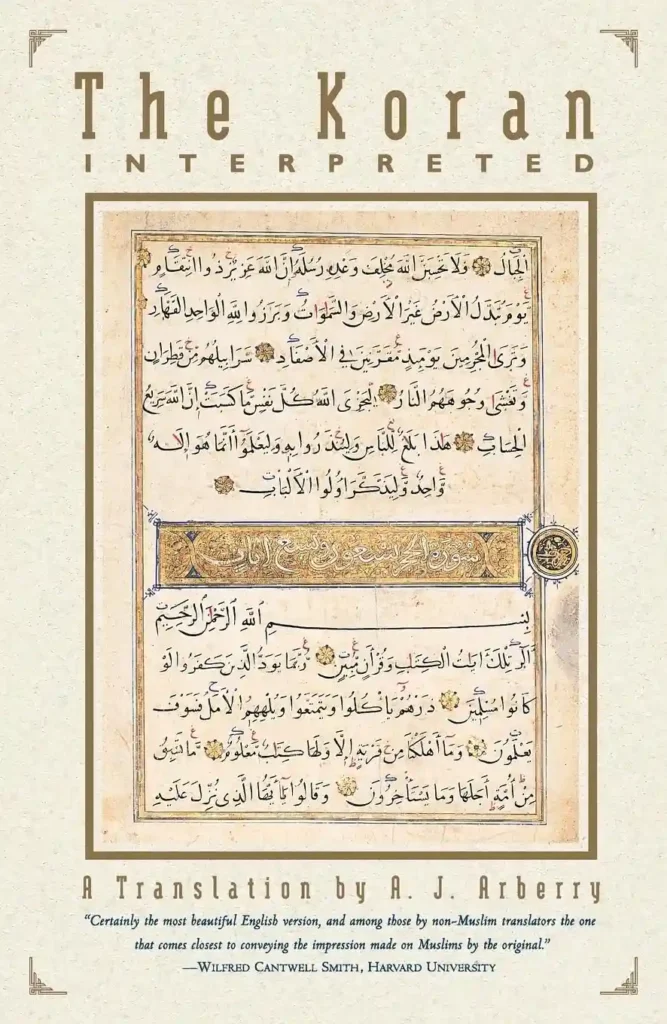
Translator
Arthur John Arberry, British scholar of Arabic and Islamic literature.
First Published
1955
Writing Style
Literary and elegant, aiming to reflect the beauty and rhythm of the Arabic Quran.
Reading Difficulty
⭐⭐⭐☆☆ (Moderate to Difficult)
Strengths
- Beautiful literary English.
- Attempts to preserve the style of the Arabic text.
- Widely respected in academic and literary studies.
Limitations
- Can be difficult for beginners.
- Contains very few explanatory notes.
- Less suitable for everyday study.
Best For
- Literature students
- Researchers
- Readers interested in Quranic style and language
Overall Rating
⭐⭐⭐⭐☆ 8.9/10
9. The Clear Quran Series (Talal Itani)
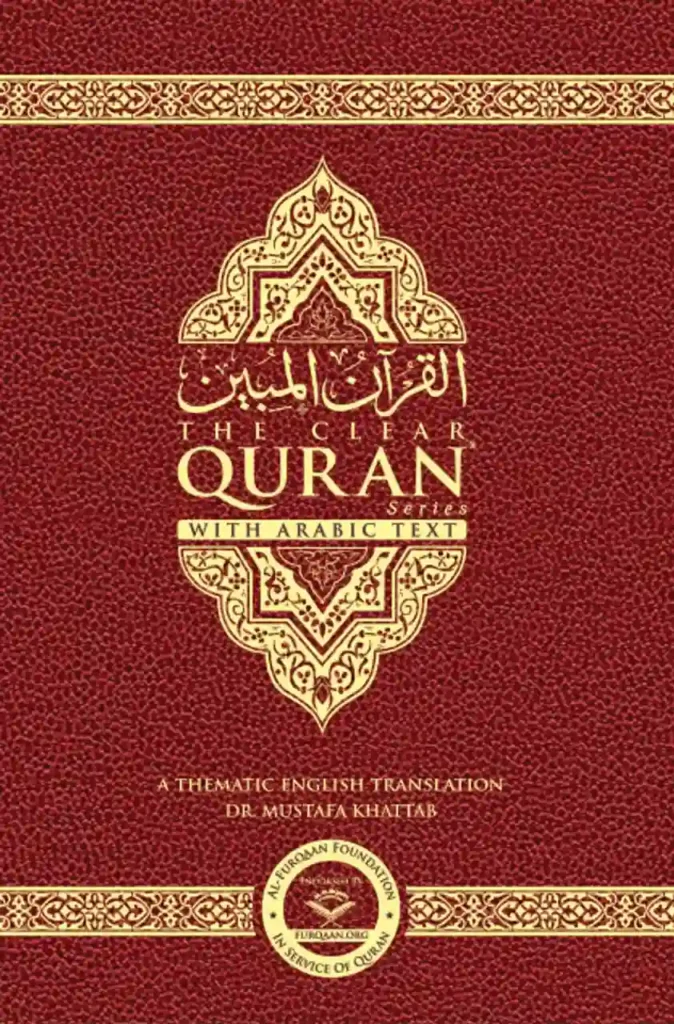
Translator
Talal Itani
First Published
2014
Writing Style
Simple, modern, and easy-to-follow English.
Reading Difficulty
⭐⭐⭐⭐⭐ (Very Easy)
Strengths
- Very readable.
- Short and clear sentences.
- Ideal for casual reading.
- Free digital versions are widely available.
Limitations
- Limited explanatory notes.
- Less commonly used in Islamic educational institutions compared to some other translations.
Best For
- Beginners
- Daily reading
- Non-Muslims
- Young readers
Overall Rating
⭐⭐⭐⭐☆ 9.3/10
10. The Quran (Maulana Wahiduddin Khan)
Translator
Maulana Wahiduddin Khan
First Published
2000
Writing Style
Peaceful, simple, and straightforward.
Reading Difficulty
⭐⭐⭐⭐⭐ (Very Easy)
Strengths
- Easy modern English.
- Gentle and accessible writing style.
- Suitable for readers exploring Islam for the first time.
- Focuses on conveying the overall message clearly.
Limitations
- Fewer detailed footnotes than study editions.
- Readers interested in in-depth explanations may wish to use a tafsir alongside it.
Best For
- New Muslims
- Beginners
- Families
- Personal reflection
Overall Rating
⭐⭐⭐⭐☆ 9.4/10
Quran Translation Comparison Table
| Translation | Easy to Read | Accuracy | Beginner Friendly | Footnotes | Recommended For |
|---|---|---|---|---|---|
| Saheeh International | ⭐⭐⭐⭐☆ | ⭐⭐⭐⭐⭐ | ⭐⭐⭐⭐⭐ | Basic | Everyone |
| The Clear Quran | ⭐⭐⭐⭐⭐ | ⭐⭐⭐⭐⭐ | ⭐⭐⭐⭐⭐ | Good | Beginners & Reverts |
| The Noble Quran | ⭐⭐⭐☆☆ | ⭐⭐⭐⭐⭐ | ⭐⭐⭐⭐☆ | Excellent | Study & Research |
| Yusuf Ali | ⭐⭐⭐☆☆ | ⭐⭐⭐⭐☆ | ⭐⭐⭐☆☆ | Excellent | Classical Readers |
| Abdel Haleem | ⭐⭐⭐⭐⭐ | ⭐⭐⭐⭐⭐ | ⭐⭐⭐⭐⭐ | Moderate | Students & General Readers |
| Pickthall | ⭐⭐⭐☆☆ | ⭐⭐⭐⭐⭐ | ⭐⭐⭐☆☆ | Limited | Literal Study |
| Muhammad Asad | ⭐⭐⭐☆☆ | ⭐⭐⭐⭐☆ | ⭐⭐⭐☆☆ | Excellent | Advanced Study |
| Arthur Arberry | ⭐⭐☆☆☆ | ⭐⭐⭐⭐☆ | ⭐⭐☆☆☆ | Minimal | Literature |
| Talal Itani | ⭐⭐⭐⭐⭐ | ⭐⭐⭐⭐☆ | ⭐⭐⭐⭐⭐ | Limited | Beginners |
| Wahiduddin Khan | ⭐⭐⭐⭐⭐ | ⭐⭐⭐⭐☆ | ⭐⭐⭐⭐⭐ | Moderate | New Muslims |
Which Quran Translation Is Best for Beginners?
For most new readers, simplicity and clarity are essential. A translation that uses modern English can make it much easier to understand the Quran’s message without feeling overwhelmed.
Recommended Choices
🥇 1. The Clear Quran
- Extremely easy to read.
- Modern vocabulary.
- Helpful chapter introductions.
- Excellent for first-time readers.
🥈 2. Saheeh International
- Very accurate.
- Simple language.
- Popular worldwide.
- Suitable for long-term study.
🥉 3. M.A.S. Abdel Haleem
- Smooth English.
- Natural flow.
- Widely used in universities and educational settings.
If you are completely new to the Quran, The Clear Quran is often the easiest place to begin, while Saheeh International is an excellent companion for comparing meanings.
Which Translation Is Closest to the Arabic Meaning?
No English translation can perfectly capture every nuance of the Arabic Quran. However, several translations are especially valued for staying close to the original wording.
Among the most respected for accuracy are:
- Saheeh International
- Pickthall
- The Noble Quran
- M.A.S. Abdel Haleem
Each translator balances literal accuracy and readable English in a slightly different way. Comparing more than one trusted translation can provide a fuller understanding of many verses.
Can You Read Only a Translation?
Yes, reading an English translation is a valuable way to learn about the Quran’s message, especially if you do not yet know Arabic.
However, Muslims believe that the Quran itself is the original Arabic revelation. A translation explains the meanings but does not replace the Arabic text.
For the best learning experience:
- Read a trusted English translation.
- Listen to the Arabic recitation.
- Study brief tafsir (commentary) when needed.
- Compare translations for difficult verses.
- Learn basic Quranic Arabic over time if possible.
This approach helps deepen both understanding and appreciation of the Quran.
Tips for Choosing the Right Quran Translation
Choosing the right translation depends on your goals and reading experience.
If you’re a beginner:
Choose The Clear Quran or Talal Itani.
If you want maximum accuracy:
Choose Saheeh International.
If you enjoy classical English:
Choose Yusuf Ali or Pickthall.
If you’re studying Islam academically:
Choose Abdel Haleem, Muhammad Asad, or compare several respected translations.
If you want detailed explanations:
Look for editions with concise footnotes and pair your reading with a trusted tafsir for additional context.
Remember that no single translation can express every shade of meaning found in the original Arabic. Reading more than one reliable translation can enrich your understanding.
Conclusion
Finding the Best Quran Translation in English depends on your experience, reading style, and learning goals. Some readers prefer a translation that stays very close to the Arabic wording, while others benefit from clear, modern English that is easier to understand.
For most people beginning their journey, The Clear Quran by Dr. Mustafa Khattab and Saheeh International are among the strongest choices because they combine clarity with faithfulness to the original meanings. Readers seeking deeper study may also appreciate translations such as M.A.S. Abdel Haleem, Muhammad Asad, or The Noble Quran, especially when used alongside a reliable tafsir.
Whichever translation you choose, remember that reading the Quran is a lifelong journey of learning and reflection. Studying with sincerity, comparing trusted translations, and referring to authentic scholarly explanations can help you gain a richer understanding of its message.
Disclaimer:
The Quran was revealed in Arabic. Every translation is an interpretation of the meanings, not a replacement for the original Arabic text.
Frequently Asked Questions (FAQs)
1. Which English Quran translation is the most accurate?
There is no single translation that perfectly captures every meaning of the Arabic Quran. However, Saheeh International is widely respected for its balance of accuracy and clear English. For many readers, it is one of the most reliable translations available.
2. Is The Clear Quran better than Saheeh International?
Both are excellent, but they serve slightly different purposes.
- The Clear Quran uses smooth, modern English and is especially suitable for beginners and new Muslims.
- Saheeh International stays closer to the Arabic wording and is often preferred for detailed study.
Many readers benefit from using both translations together.
3. Can non-Muslims read the Quran?
Yes. The Quran is available for anyone who wants to learn about Islam. Reading a trusted English translation can help non-Muslims better understand Islamic beliefs, history, and teachings.
4. Which Quran translation is easiest to understand?
Many readers find The Clear Quran by Dr. Mustafa Khattab to be the easiest English translation because it uses contemporary language while remaining faithful to the original meanings.
5. Should I read more than one Quran translation?
Yes. Since every translation is an interpretation of the Arabic meanings, comparing two or more trusted translations can provide a deeper understanding of many verses.
6. Is Abdullah Yusuf Ali’s translation still recommended?
Yes. Yusuf Ali’s translation remains one of the most influential English translations. Although it uses older English and reflects the scholarship of its time, it is still valuable for readers who enjoy classical language and detailed footnotes.
7. Can I pray using an English translation?
Muslims perform the formal daily prayers (Salah) by reciting the Quran in Arabic. An English translation is beneficial for understanding the meanings of the verses but does not replace the Arabic recitation in Salah.
8. Which Quran translation is best for new Muslims?
For most new Muslims, The Clear Quran and Saheeh International are excellent choices because they combine clarity, readability, and reliable scholarship.
9. Are all Quran translations the same?
No. While all trustworthy translations aim to convey the same message, they differ in writing style, word choice, level of literalness, and the amount of explanatory notes they include.
10. Should I read a tafsir along with the translation?
Yes. A reliable tafsir (Quran commentary) provides historical context, explains difficult verses, and helps readers understand meanings that may not be fully conveyed in translation alone.
Continue Your Quran Learning Journey
Choosing the right Quran translation is only the beginning. At OnlyIslamWay, we are committed to helping Muslims, new Muslims, and anyone interested in Islam learn the Quran with authentic, beginner-friendly resources.
Explore our growing collection of:
- 📖 Quran PDFs with translations
- 🤲 Daily Duas
- 🕌 Salah guides
- 💧 Wudu and Ghusl tutorials
- 📚 Islamic learning articles
- 🌙 Surah explanations and benefits
Whether you’re reading the Quran for the first time or deepening your understanding, you’ll find reliable resources designed to support your journey.
📚 Explore more Quran resources on OnlyIslamWay and continue learning with confidence.